Prescription Drug Addiction Treatment in Kentucky
Support for adults struggling with prescription opioids, benzodiazepines, or stimulants—built around individualized assessment and residential addiction recovery.
At Serenity Ranch Recovery in Mammoth Cave, Kentucky, treatment begins with understanding your medication history, health, and goals. Our team can help you explore whether residential care is an appropriate next step.
On This Page
Understanding Prescription Drug Addiction
Prescription medications can be valuable when used as directed, but some can also lead to physical dependence, misuse, and addiction. Prescription drug addiction involves continued use despite harm, difficulty controlling use, or an escalating focus on obtaining medication. Physical dependence alone does not mean a person has an addiction.
Serenity Ranch Recovery offers residential addiction treatment in Mammoth Cave, Kentucky. For eligible adults with prescription medication addiction, our admissions team can discuss individual needs, co-occurring conditions, and whether residential treatment is appropriate.
Why the distinction matters
A person taking a prescribed medicine exactly as directed may develop tolerance or physical dependence without meeting criteria for addiction. A substance use disorder is assessed through patterns such as impaired control, cravings, risky use, and continuing despite consequences. That distinction is particularly important for people who need ongoing treatment for pain, anxiety, or ADHD. A thoughtful evaluation avoids blaming patients for an expected medication response while identifying when substance use has become harmful.
Treatment planning should also consider whether medication was obtained through a prescription, purchased elsewhere, or combined with other substances. Pills obtained outside a licensed pharmacy may contain unexpected ingredients, including fentanyl. Disclosing what was taken, even when the contents are uncertain, helps clinicians make safer decisions.
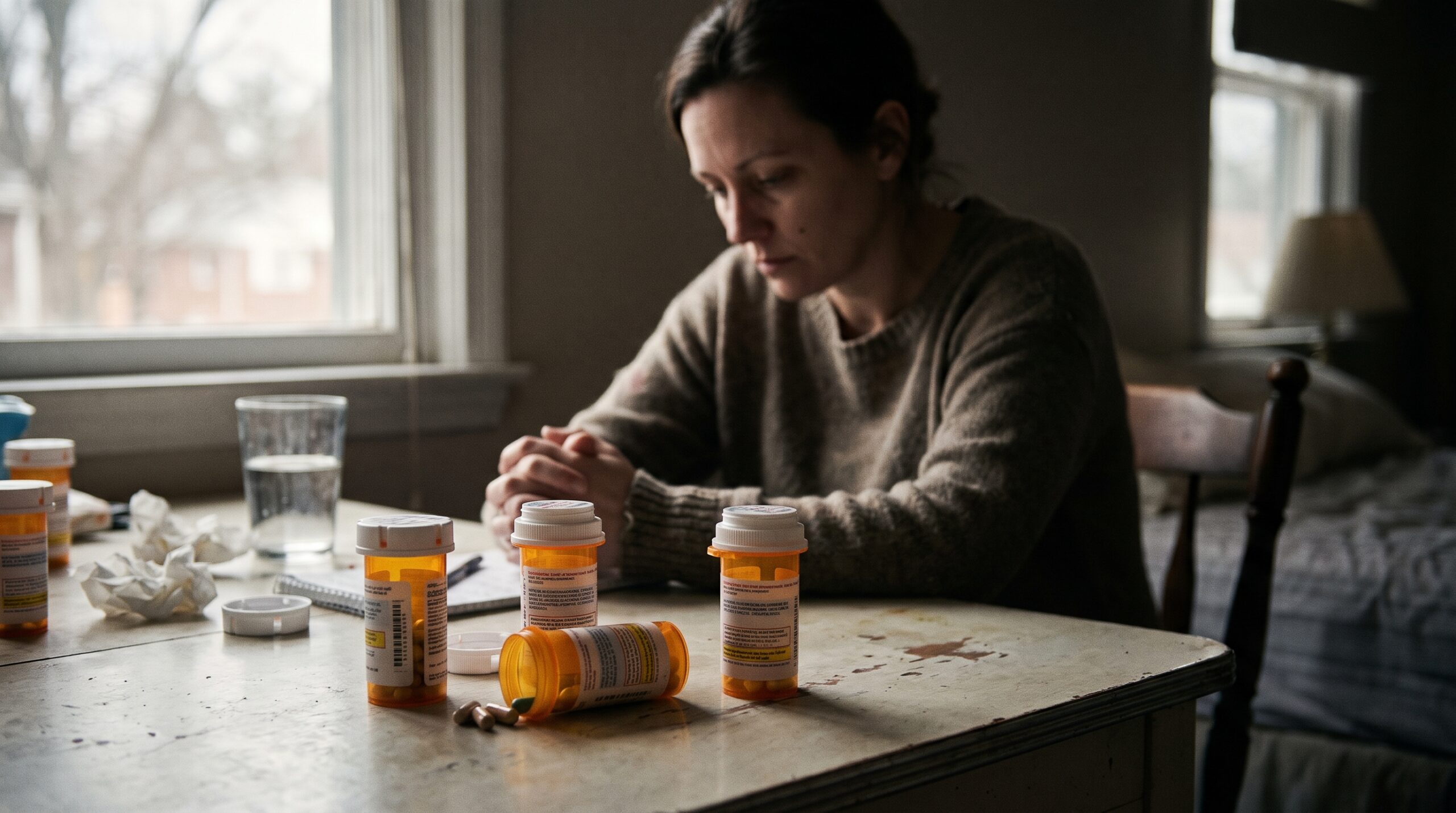
Prescription Medications Commonly Involved in Addiction
Prescription opioids, benzodiazepines, and stimulants can each be medically appropriate when prescribed and monitored. Misuse and substance use disorders, however, have different risks and treatment needs across these medication classes. A clinical assessment considers the original diagnosis, current dose, duration, other substance use, and whether the person is experiencing loss of control or harm.
Prescription opioids: oxycodone, hydrocodone, and other pain medications
Opioid pain medications may be prescribed after surgery or for certain pain conditions. Some people develop problematic use, cravings, or escalating doses. Combining opioids with alcohol or sedatives increases the risk of respiratory depression and overdose. Treatment for opioid use disorder should include a discussion of medications such as buprenorphine or methadone, when appropriate, along with overdose prevention and behavioral support. Learn about opiate addiction treatment in Kentucky.
Benzodiazepines: Xanax, Ativan, and Klonopin
Benzodiazepines are prescribed for certain anxiety and related conditions. Physical dependence may develop even with prescribed use; it does not by itself establish addiction. Misuse can involve taking extra doses, mixing medications with other substances, or continuing despite serious consequences. Abrupt discontinuation after sustained use can cause seizures and other severe complications. Any reduction requires an individualized medical plan. Explore benzodiazepine addiction treatment.
Prescription stimulants: Adderall and related ADHD medications
Prescription stimulants may be used appropriately for ADHD and other conditions. Misuse can involve taking medication without a prescription or using higher doses than directed. Concerns may include insomnia, anxiety, appetite changes, cardiovascular symptoms, and mood disturbances. Care should assess the underlying attention-related condition as well as the pattern of stimulant use. Read about Adderall rehab in Kentucky.
People who use more than one medication or combine prescriptions with alcohol or nonprescribed drugs need an especially careful safety assessment. Treatment is based on the full medication history, not the label of a single drug.
Signs Someone May Need Treatment
Possible warning signs include taking more medication than prescribed, unsuccessful attempts to cut down, using someone else’s prescription, continuing despite problems at home or work, or spending substantial time seeking and using medication.
Other concerns include combining medications with alcohol, taking pills to manage emotions rather than the prescribed condition, or experiencing cravings. A qualified clinician can assess whether symptoms reflect a substance use disorder, expected physical dependence, undertreated illness, or a combination.
Changes that deserve a closer look
A person may begin running out of medication early, seeking prescriptions from multiple sources, hiding use, or feeling unable to meet responsibilities without a dose. Family members may notice mood changes, isolation, missed obligations, or financial strain. None of these signs alone proves addiction, but a pattern can indicate the need for assessment.
Someone who has tried to reduce use repeatedly without success, experienced an overdose, mixed sedatives with opioids, or continued use despite clear harm should seek professional help promptly. The goal of an assessment is to identify what level of care is appropriate, not to assign blame.
Withdrawal and Medical Safety
Withdrawal can look different depending on the medication. Opioid withdrawal may involve nausea, sweating, muscle aches, anxiety, and diarrhea. Stimulant withdrawal may involve fatigue, sleep changes, and depressed mood.
Abruptly stopping benzodiazepines can cause seizures or other life-threatening complications. Do not stop or rapidly taper a prescribed benzodiazepine without medical guidance. Opioid overdose is an emergency; call 911, administer naloxone if available, and follow emergency instructions. An admissions assessment can help determine whether medically supervised withdrawal management is needed and where it can be provided.
Why a medication-specific safety assessment comes first
The timing and intensity of withdrawal vary with the medication, duration, dose, other substances, and medical history. Opioid withdrawal is often extremely uncomfortable and can lead to dehydration or a return to use; reduced tolerance after abstinence also increases overdose risk. Stimulant withdrawal may bring pronounced fatigue, low mood, and changes in sleep.
Benzodiazepine withdrawal requires particular caution because seizures and other severe complications are possible. Alcohol and benzodiazepine combinations can further complicate withdrawal management. Do not attempt an abrupt stop or self-directed rapid taper. Before admission, ask what monitoring, prescribing, and transfer arrangements are available for your specific medication history. For more on initial stabilization, see Serenity Ranch’s drug and alcohol detox program.

How Prescription Drug Addiction Treatment Works
Effective treatment starts with a comprehensive assessment of medication use, physical and mental health, previous treatment, and safety needs. An individualized plan may include withdrawal management when indicated, residential addiction treatment, individual and group therapy, relapse-prevention skills, and discharge planning.
For opioid use disorder, medications such as buprenorphine or methadone can reduce overdose risk and improve retention in treatment. Availability of specific medications and prescribing services at Serenity Ranch must be confirmed directly; medication treatment should not be withheld solely because someone is entering counseling or residential care.
From assessment to an individualized recovery plan
A comprehensive evaluation should review current prescriptions, nonprescribed use, overdose history, previous withdrawal symptoms, mental health, pain conditions, and treatment goals. Some individuals need medically managed withdrawal before participating fully in therapy. Others may be clinically appropriate for residential care or a less intensive setting without a separate withdrawal episode.
During treatment, individual counseling can examine triggers, stress, beliefs about medication, and coping patterns. Group sessions provide practice with communication, relapse prevention, and support. For opioid use disorder, buprenorphine or methadone can be life-saving treatment; patients should ask how ongoing medication care is provided or coordinated. The safest plan is tailored rather than a one-size-fits-all sequence.
Addressing Pain, Anxiety, ADHD, and Co-Occurring Conditions
People may begin taking prescription medications for legitimate pain, anxiety, insomnia, or ADHD. Addiction treatment should not dismiss those underlying conditions. Coordinated care considers safer symptom management, medication review, and referrals to appropriate prescribers.
When substance use occurs alongside depression, trauma symptoms, or anxiety, dual diagnosis treatment may help address connected needs. The treatment plan should account for both recovery and the condition for which medication was originally prescribed.
Treating the original health concern alongside addiction
A prescription may have been started for chronic pain, panic symptoms, insomnia, or attention difficulties. Simply removing that medication without addressing the underlying condition can leave a person vulnerable to distress and renewed substance use. Appropriate care includes reviewing the diagnosis, current symptoms, other medications, and options with qualified prescribers.
When depression, trauma, or anxiety co-occurs with addiction, coordinated therapy can help address both concerns. Family participation may be appropriate with the client’s consent. No one should assume that every medication used for a mental health condition is inappropriate in recovery; decisions require individualized clinical judgment.
Residential Treatment at Serenity Ranch Recovery
Serenity Ranch Recovery provides addiction treatment at 7415 Nolin Dam Road in Mammoth Cave, Kentucky. Its residential setting offers structured time to address substance use, develop coping skills, and prepare for continued care. Program suitability is determined through an individualized assessment, especially when prescription medications, medical conditions, and withdrawal risks are involved.
Admissions assessment and treatment planning
The admissions process begins with a conversation about medication use, health history, withdrawal concerns, mental health, insurance, and goals. Clinical screening helps determine whether medically supervised detox, residential care, or another level of care is appropriate. The team can explain current availability, medication management arrangements, and whether additional medical evaluation is needed before arrival. No one should abruptly discontinue prescribed benzodiazepines while waiting for admission.
Individual counseling and small-group therapy
Serenity Ranch’s published services describe individual therapy twice weekly and group sessions limited to twelve participants. Individual sessions offer time to examine cravings, stress, medication-related beliefs, and personal recovery goals. Small-group work can support communication, peer connection, and practical relapse-prevention skills. The precise schedule and clinical approach depend on the individual plan and current program operations.
Daily structure, wellness, and family involvement
Published facility information describes private accommodations, shared recreational spaces, meals, and organized activities in the Mammoth Cave area. A structured day may include therapy, recovery education, meals, rest, and opportunities to practice healthier routines. The facility also describes family therapy to support communication and relationships when clinically appropriate and with the client’s consent. Availability and participation details should be confirmed with admissions.
Planning for discharge from the beginning
Residential care is one part of a longer recovery process. Continuing-care planning can include follow-up counseling, coordination with prescribing clinicians, peer support, family involvement, overdose prevention when opioids are involved, and referrals to an appropriate next level of care. A useful plan accounts for the original medical reason a prescription was started, not just the substance use symptoms. Residential treatment does not replace emergency psychiatric care or specialized medical treatment when those services are needed.
Planning for Recovery After Residential Care
Discharge planning should begin before a person leaves residential treatment. Follow-up may include outpatient counseling, ongoing medication management, peer support, relapse-prevention planning, and coordination with primary care or mental health professionals.
Because overdose risk can increase after a period of reduced opioid tolerance, people with opioid use disorder should discuss overdose prevention, naloxone access, and evidence-based medication treatment with a qualified clinician.
Preparing for the transition home
The transition out of residential care is an important part of treatment. A practical plan should identify follow-up appointments, medication prescribers, counseling or intensive outpatient options when appropriate, transportation, supportive contacts, and steps to take if cravings return. Planning can also include how to handle leftover medications safely and communicate with the original prescribing clinician.
For people recovering from opioid use disorder, overdose education and naloxone access are especially important. Continued evidence-based medication treatment may be recommended. Relapse prevention is not simply a promise to avoid pills; it is a plan for recognizing risk, getting timely help, and addressing the health needs that existed before treatment.
Prescription Drug Rehab for Kentucky Residents
Serenity Ranch Recovery welcomes admissions inquiries from across Kentucky, including Bowling Green, Louisville, Lexington, and Elizabethtown. The facility itself is in Mammoth Cave; it does not operate a treatment center in each of those cities.
To explore admission, share the medication involved, current use, withdrawal concerns, medical conditions, and insurance details. The team can discuss program suitability and benefit verification. Review the admissions process or call to discuss next steps.
What to have ready when you call
You do not need to know the exact treatment level before reaching out. It helps to share the medication name, approximate dose and frequency, when it was last taken, other alcohol or drug use, previous withdrawal complications, and any urgent safety concerns. Admissions can explain next steps and whether a medical evaluation is required first.
Insurance verification should clarify benefits, network status, prior authorization, and possible out-of-pocket costs rather than guaranteeing payment. Families can also ask about travel planning, contact policies, involvement in treatment, and what follow-up recommendations typically look like. The facility is in Mammoth Cave, not in each city it serves.
Frequently Asked Questions
Can you become addicted to prescribed medication?
Yes. Some medications carry addiction risk even when initially prescribed for a legitimate medical condition. Physical dependence alone, however, is not the same as addiction.
Which prescription drugs are commonly misused?
Prescription opioids, benzodiazepines, and stimulants are among the medication classes associated with misuse and substance use disorders.
Is prescription drug withdrawal dangerous?
It can be. Benzodiazepine withdrawal can cause seizures and requires medical supervision. Other withdrawal risks depend on the medication and individual health.
Does Serenity Ranch provide prescription drug detox?
Admissions can assess whether withdrawal management is needed and confirm the availability and location of appropriate services before treatment begins.
Can opioid addiction be treated with medication?
Yes. Buprenorphine and methadone are evidence-based medications for opioid use disorder. Ask admissions which prescribing services are available or coordinated.
Can someone receive treatment while managing chronic pain?
Yes. Treatment planning should account for pain management needs and coordinate with appropriate healthcare professionals.
How long is prescription drug rehab?
Length of care depends on clinical needs, treatment progress, insurance, and the recommended level of care. Admissions can explain current program options.
Does insurance cover prescription drug rehab in Kentucky?
Coverage varies by policy, medical necessity, network status, and authorization requirements. Benefits should be verified for the individual plan.
Is residential rehab appropriate for everyone?
No. Some people benefit from outpatient care, while others need medical withdrawal management or a higher level of care. Assessment determines fit.
Explore Prescription Drug Addiction Treatment in Kentucky
Talk with admissions about your medication history, the appropriate level of care, and insurance verification.
 Medically Reviewed By:
 Clinically Reviewed By:
Our Verifications & Affiliations